Barnes Village end of tenancy cleaning services SW13
Posted on 04/07/2026
Barnes Village end of tenancy cleaning services SW13: a practical guide for tenants, landlords, and agents
If you are moving out in SW13, the last thing you want is a handover headache. Barnes Village end of tenancy cleaning services SW13 are designed to help you leave the property in a condition that feels clean, cared for, and ready for the next occupant. That matters whether you are trying to protect a deposit, prepare a rental for re-marketing, or simply avoid the awkward back-and-forth that can happen when standards are not clear.
Let's be honest: moving is already noisy, tiring, and mildly chaotic. Boxes everywhere, keys to hand back, furniture half-dismantled, and then there is the cleaning. This guide breaks down what end of tenancy cleaning actually involves in Barnes Village, how the process works, what to watch out for, and how to judge quality without getting lost in jargon.
Along the way, you will find practical steps, a checklist, comparison points, and a realistic view of what good service looks like in a London rental context. If you are comparing services, the wider services overview is a useful place to understand how different cleaning solutions fit together, including deep cleaning, upholstery care, and carpet care.
Why Barnes Village end of tenancy cleaning services SW13 Matters
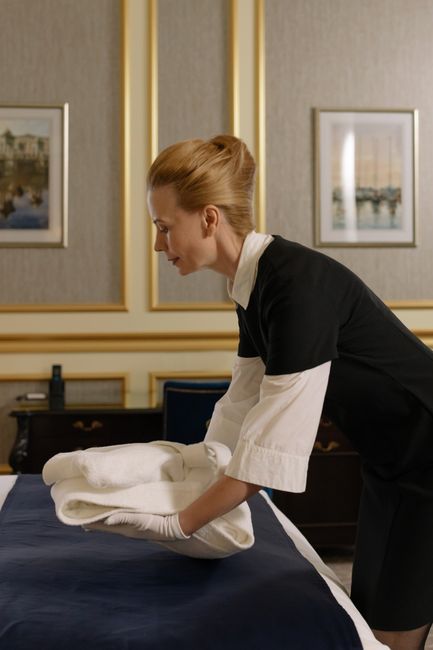
End of tenancy cleaning is not just "a good tidy-up". It is a targeted, top-to-bottom clean aimed at resetting the property between occupiers. In Barnes Village, where homes are often well-kept and expectations can be high, the difference between a standard clean and a proper move-out clean can be very noticeable.
The main reason it matters is simple: handovers are judged on condition. Even if a place looks decent at first glance, small things add up fast. Grease around the extractor hood, dust on skirting boards, soap residue on shower screens, fingerprints on gloss surfaces, limescale in bathrooms, crumbs in drawer corners. These are the bits people notice when the property is being inspected. And yes, they do notice.
For tenants, a thorough clean can reduce the chance of disputes over deposit deductions. For landlords and letting agents, it helps keep the property market-ready, which can shorten vacancy time and improve first impressions. That is especially relevant in a neighbourhood like Barnes Village, where presentation is often part of the appeal. If you want a broader local context on the area's residential character, this look at Barnes living gives a useful sense of why property standards matter here.
There is also a practical truth people sometimes miss: cleaning at the end of a tenancy is easier when it is done after furniture is removed. Empty rooms expose dust lines, marks behind radiators, and grime in places you never really see day to day. That is a blessing and a curse. Mostly a curse, to be fair.
Expert summary: a proper move-out clean is less about making a place look "nice" and more about removing the hidden dirt that causes disputes, delays, and unnecessary stress at handover.
How Barnes Village end of tenancy cleaning services SW13 Works
A good end of tenancy clean follows a methodical process. It is usually structured around rooms, surfaces, and problem areas, rather than random wiping and hoping for the best. That structure matters because rental properties have a lot of small surfaces and awkward corners that collect dirt over time.
Most services begin with an initial assessment. This can be done from a checklist, photos, or a quick call about property size and condition. The aim is to understand whether the property needs a standard end of tenancy clean, a deeper remedial clean, or add-ons such as carpet cleaning or upholstery cleaning. If carpets are visibly marked, the extra step is often worth it; you can see the relevance of professional carpet cleaning in W14 quite quickly once you look at traffic lanes and stair edges.
From there, the clean normally works room by room:
- Kitchen: degreasing, appliance surfaces, cupboard exteriors and interiors if requested, sinks, taps, splashbacks, and floors.
- Bathrooms: limescale removal, sanitising fittings, cleaning tiles, mirrors, toilet areas, and shower enclosures.
- Bedrooms and living areas: dusting high and low, skirting boards, wardrobes, shelves, sockets, switches, and floors.
- Hallways and stairs: handprints, marks, dust lines, banisters, and vacuuming or mopping.
In a well-managed job, the cleaner does not just "clean what looks dirty". They work through the forgotten spots too. The top of door frames. The inside edge of a bin cupboard. The track of a sliding door if there is one. These details sound minor until they fail an inspection.
Many homes in Barnes Village also include delicate fabrics, blinds, or upholstered items that need careful treatment. When those are part of the handover, it can help to combine the move-out clean with specialist care such as upholstery cleaning or advice from a related guide like the velvet curtain washing article, especially if soft furnishings have gathered dust or odours.
Key Benefits and Practical Advantages
The obvious benefit is a cleaner property. But the real value is in what that clean helps prevent. In a move-out situation, prevention is everything.
- Better handover experience: A property that looks fresh tends to reduce friction between tenants, landlords, and agents.
- Lower deposit risk: While no cleaning service can guarantee deposit return, a proper standardised clean reduces avoidable complaints.
- Time saved during moving week: You can focus on removals, utilities, forwarding addresses, and the hundred little tasks that pile up.
- Stronger first impression: For landlords, the home is ready for viewings, photography, or immediate re-listing.
- More consistent results: Professional cleaners follow a repeatable process rather than a rushed last-minute effort.
There is also the mental benefit, which people underestimate. Finishing a tenancy with a clean, bright, reset property feels like closing a chapter properly. Sounds a bit dramatic, maybe, but moving house is emotional as well as logistical.
For landlords or managing agents, the value extends into property positioning. A property that presents well can support better marketing, especially in an area where people pay attention to detail. If you are looking at the wider property picture around the neighbourhood, Barnes property listings updates offer useful context on how presentation fits into local demand.
Who This Is For and When It Makes Sense
End of tenancy cleaning is most obvious for tenants who are moving out, but it is not only for them. In practice, it helps several groups.
Tenants
If you want to leave the property in good condition and avoid avoidable deductions, this service makes sense. It is especially helpful if your tenancy agreement expects the property to be cleaned to a professional standard, or if the place has been lived in for more than a year and has built-up grime.
Landlords
Landlords often use end of tenancy cleaning between tenancies to restore presentation quickly. This is particularly useful when there is a tight turnaround or the property needs to be photo-ready for listings. If you are thinking more broadly about positioning a rental or sale in the area, the article on real estate strategies in Barnes is a helpful companion read.
Letting agents and property managers
Agents need properties ready for inspections, viewings, and new occupants without unnecessary delay. A dependable cleaning process reduces last-minute snags, and that saves everyone a bit of grief.
Homeowners preparing for a move
Even if you own the property, a deep end-of-occupation clean can make the moving-out day feel less messy. Especially in family homes where life has happened in every corner. You know the sort of thing: a toy under the radiator, a coffee ring behind the kettle, or that one cupboard you avoid because it contains the history of three households.
It also makes sense if the home has had a busy season of guests, entertaining, or short-term occupancy. Barnes Village has its share of social homes, and a post-event reset can be a real relief. If that sounds familiar, you may also find Barnes party locations interesting for the broader local lifestyle context.
Step-by-Step Guidance
If you want to approach the process calmly, this is the practical route I would recommend.
- Read the tenancy agreement carefully. Look for cleaning clauses, inventory expectations, and anything about professional standards.
- Walk through the property room by room. Make a simple list of problem areas. Don't rely on memory alone. It gets fuzzy, fast.
- Remove personal items first. Cleaning around clutter wastes time and often misses hidden dirt.
- Spot-check high-risk areas. Kitchens, bathrooms, skirting boards, inside cupboards, and around appliances usually need the most attention.
- Decide whether extra services are needed. Carpel? Upholstery? Oven? If the property has soft furnishings or visibly used carpets, factor those in early.
- Book the clean close to moving day. Too early and the property gathers dust again. Too late and the handover gets rushed.
- Inspect the result before key handover. Use daylight if possible. Natural light exposes streaks and dust much better than a dim hallway lamp at 6pm.
If you are comparing cleaning styles, a broader domestic service may suit some situations, but end of tenancy work is more exacting. For everyday upkeep, domestic cleaning in W14 is often the right fit; for a final reset, you usually need something more detailed. The same goes for house cleaning in W14 versus a full move-out clean.
One more thing: if the property includes a home office or workspace, do not forget it. Desks, shelves, keyboards, cable dust, and window ledges can quietly hold onto dirt. Not glamorous, but very real.
Expert Tips for Better Results
After enough move-out cleans, a pattern becomes obvious. The properties that pass smoothly are not always the ones with the fanciest finishes. They are the ones where the details were handled early and sensibly.
- Start with the kitchen. Grease hardens and gets worse over time, especially around extractors, splashbacks, and hob edges.
- Use daylight for final inspection. A surface that looks fine under warm bulbs may show smears near a window.
- Lift and clean behind moveable items. Even light furniture leaves dusty outlines.
- Don't forget switches and handles. These small touchpoints often betray the overall standard.
- Ask for attention to odours. A property can be spotless and still smell stale if bins, drains, or soft furnishings have been ignored.
- Match the service to the inventory. If the property includes carpets, curtains, or upholstery, build those into the plan rather than treating them as an afterthought.
A tiny but useful tip: keep a cloth and bin bag with you during the final walk-through. The moment you spot a mark, you can deal with it immediately. Saves a second round of panic. It also makes you look remarkably organised, which never hurts.
For properties with sensitive fabrics or decorative finishes, it is wise to read practical care guidance before you improvise. The velvet curtain guide is a good reminder that some materials need a lighter touch than others.
Common Mistakes to Avoid
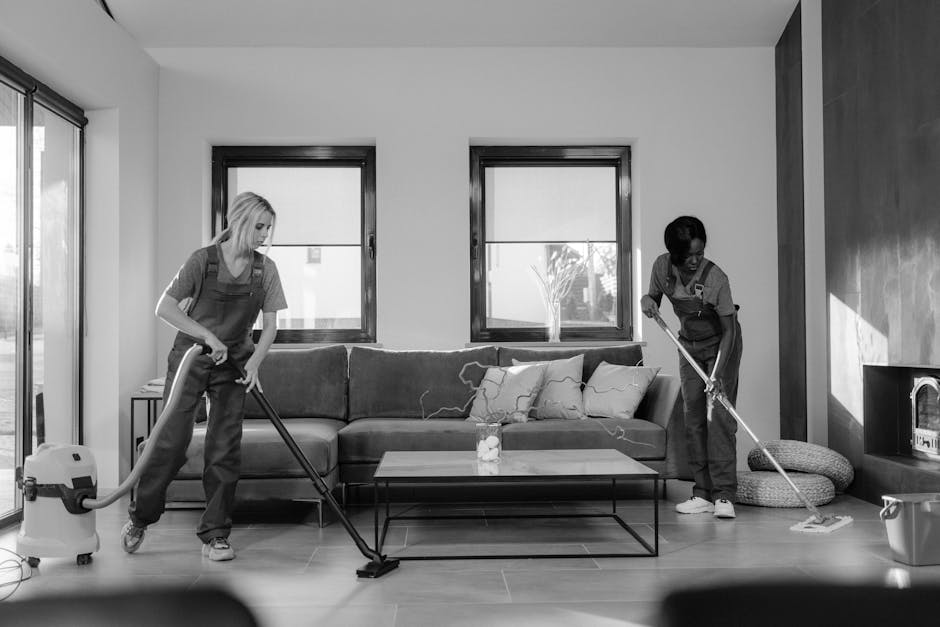
Most cleaning disputes are avoidable. The trouble is that people are often trying to do too much at the last minute. Very human, admittedly.
- Leaving it until the moving van arrives. That is too late. You need space and time to clean properly.
- Assuming "vacuumed" means clean. It doesn't. Dust, grease, and residue need proper treatment.
- Ignoring ovens and bathrooms. These are the two areas most likely to trigger complaints.
- Forgetting inside cupboards and drawers. Inventory checks often include these spaces.
- Using the wrong products. Harsh chemicals can damage finishes, and that can create a new problem instead of solving the old one.
- Skipping carpets and upholstery. Marks, odours, and traffic lines can drag down the overall result.
- Not checking the clean in daylight. Artificial light can be forgiving in a way that inspections are not.
One of the most common mistakes, oddly enough, is trying to "make it look clean" rather than properly clean it. That is a short-term fix. The dust still knows where it lives.
Another point worth mentioning is communication. If you are a tenant, landlord, or agent, be clear about expectations early. A vague brief leads to vague results. That is just how it goes.
Tools, Resources and Recommendations
You do not need a warehouse of equipment to do a decent move-out clean, but you do need the right basics. A good toolkit keeps the work efficient and prevents damage.
Useful tools
- Microfibre cloths
- Non-abrasive sponges
- Vacuum cleaner with attachments
- Mop and bucket
- Degreasing cleaner suitable for kitchen surfaces
- Bathroom descaler
- Glass cleaner for mirrors and screens
- Soft brush for corners, tracks, and vents
- Protective gloves
Useful planning resources
For budgeting and service comparisons, it helps to look at pricing information before booking. The page on pricing and quotes is useful when you want to understand how quotes are framed and what details can affect the final cost. If you want to understand the company's broader approach to service delivery and standards, the about us page gives more context.
It can also be helpful to review policies that speak to trust and process. For example, insurance and safety is relevant if you want reassurance around property care, while terms and conditions and payment and security are sensible reads when arranging a booking. Not thrilling reading, I know. But useful.
If your move-out clean overlaps with a larger property refresh, you may also want to consider specialist add-ons such as carpet or upholstery care rather than trying to solve everything with a general wipe-down. That choice usually depends on the property's condition, not on what sounds nicest in a brochure.
Law, Compliance, Standards, or Best Practice
End of tenancy cleaning sits in a practical, not highly regulated, space, but best practice matters a great deal. In the UK, tenancy agreements commonly expect the property to be returned in a clean condition, and inventory reports often form the baseline for comparison at checkout. Exact wording varies, so it is always sensible to check the agreement itself rather than rely on assumptions.
A careful approach should also respect health and safety considerations. Cleaning products should be used appropriately, surfaces should not be damaged, and electrical items should only be cleaned in safe, dry ways. If anyone in the property has sensitivities, it is sensible to choose products and methods with that in mind. That is just sensible housekeeping, really.
Another useful standard is consistency. The goal is not perfection in a theatrical sense. It is a property that is clean, hygienic, and ready for the next stage without hidden dirt lingering in the corners. For businesses or shared accommodation, the same general principle applies, although the level of scrutiny may differ. If you are curious about standards in a commercial setting, the office cleaning in W14 page can help illustrate how routine standards differ from move-out work.
In Barnes Village, where properties often have well-finished interiors and a high expectation of presentation, a careful approach is the safest one. It reduces misunderstandings and helps everyone move on cleanly, in the literal sense.
Options, Methods, or Comparison Table
Not every move-out situation needs the same level of service. Here is a simple comparison to help you choose.
| Option | Best for | Strengths | Limitations |
|---|---|---|---|
| Basic self-clean | Very small, lightly used spaces | Low cost, immediate control | Easy to miss detail, time-consuming, higher dispute risk |
| General deep clean | Homes that need a solid refresh | Covers most surfaces and standard problem areas | May not include specialist items unless requested |
| Full end of tenancy clean | Tenanted homes, rentals, and formal handovers | Most suitable for checkout expectations and inventory-style cleaning | Usually costs more than a basic clean |
| End of tenancy plus extras | Properties with carpets, upholstery, ovens, or soft furnishings | Most comprehensive and best for presentation | More planning needed, especially for timing and budget |
In practice, the best option depends on condition, timing, and who is inspecting the property. If a rental has been occupied for a long period, a plain basic clean is usually not enough. If the home has already been kept on top of, then a focused end-of-tenancy service with a few add-ons may be all you need.
And yes, sometimes the cheapest option is not the cheapest in the end. Strange how that works.
Case Study or Real-World Example
Here is a realistic scenario. A one-bedroom flat in Barnes Village has been occupied for a year and a half. The tenant has kept things reasonably tidy, but the kitchen has cooking residue around the hob, the bathroom has light limescale, and the carpets in the living area show walk paths near the sofa and doorway.
At first glance, the tenant thinks a quick clean will be enough. Then the final walk-through begins, and all the little things appear at once. The corner behind the bin. The greasy line above the cooker hood. Dust on the skirting board by the radiator. The marks on the carpet that only show when sunlight comes in through the window. You can almost hear the sigh.
In that situation, the better approach is a structured end of tenancy clean with attention to the kitchen and bathroom, plus carpet cleaning if the marks are visible enough to affect presentation. If the property also has a fabric chair by the window or a sofa that has absorbed everyday use, upholstery care may be worth adding too. That is usually more efficient than trying to solve everything with a single pass and a prayer.
The practical lesson is simple: properties that have been lived in properly need a proper reset. Not a rushed tidy. Not a "looks fine from the door" job. A proper reset.
For a local lifestyle angle on why presentation can matter so much in the area, you may also enjoy this Barnes enclave piece, which captures some of the character that makes the neighbourhood feel distinctive.
Practical Checklist
Use this before the handover. It keeps the process sane.
- All personal items removed
- Bins emptied and cleaned
- Kitchen cupboards wiped inside and out
- Appliances cleaned and checked
- Hob, extractor, splashbacks, and sink degreased
- Bathroom tiles, taps, screen, and toilet cleaned
- Skirting boards, switches, and handles wiped
- Floors vacuumed and mopped
- Carpets and upholstery assessed for stains or odours
- Windows, ledges, and frames cleaned where accessible
- Any marks on walls or doors noted honestly
- Final inspection done in daylight if possible
If you are handling the move yourself, do not leave this checklist for the last hour. Do it room by room. Much less stressful.
And if you are arranging a combined clean, it is worth looking at related services alongside the tenancy clean, especially when carpets or furniture need a lift before the keys change hands.
Get a free quote today and see how much you can save.
Conclusion
Barnes Village end of tenancy cleaning services SW13 are about more than appearance. They help close out a tenancy properly, reduce disputes, and make the property ready for whatever comes next. In a neighbourhood where homes are often well presented and expectations are fairly exacting, the details count. A lot.
The most reliable results come from planning early, knowing what the inventory expects, and using a methodical clean rather than a rushed one. Add specialist care where it is needed, inspect the result in good light, and keep communication clear between tenant, landlord, and agent.
That is the practical version. The human version is simpler: moving is stressful enough already, so getting the clean right gives you one less thing to worry about. And honestly, that small bit of calm at the end of a move can feel like a luxury.