Communal area Cleaning in W14
If you manage or live in a shared building, you already know that common spaces say a lot about the whole property. Hallways, entrances, stairwells, lifts, bin stores, and shared touchpoints are used every day, and when they are not cared for properly, the whole building can feel tired, untidy, and less welcoming. Our Communal area Cleaning in W14 service is designed for flats, converted houses, mansion blocks, apartment buildings, mixed-use properties, office buildings, and managed developments across this part of West London. It is a practical, reliable way to keep shared spaces clean, safe, and presentable for residents, visitors, staff, and contractors alike.
W14 covers a varied local area, from the busy stretches around West Kensington and Olympia to quieter residential streets near Barons Court, Kensington Olympia, and the borders of Hammersmith and Shepherd’s Bush. That mix of property styles creates different cleaning needs. Some buildings need frequent attention because of high foot traffic, while others need careful upkeep to manage dust, fingerprints, litter, and general wear in communal corridors and staircases. A local cleaning service understands these differences and can build a routine that fits the building, the residents, and the practical realities of access, timing, and safety.
Whether you are a resident committee member, a landlord, a block manager, a freeholder, or a facilities coordinator, the aim is usually the same: you want shared areas to be clean without creating disruption. You want dependable visits, consistent standards, and a team that can work around building routines. That is where a local communal cleaning plan makes a real difference. It keeps the building looking cared for, helps reduce complaints, and supports a more comfortable environment for everyone who uses the property.
Why communal area cleaning matters for W14 properties
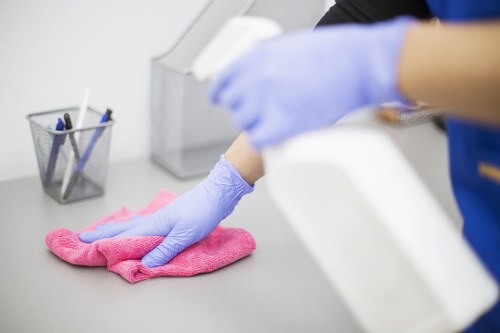
Shared areas are the first thing people notice when they enter a building. A clean entrance hall or well-kept staircase gives an immediate impression of order and attention. A neglected hallway does the opposite. In busy parts of W14, especially around transport links, main roads, and mixed residential-commercial streets, communal areas can collect dust, debris, shoe marks, rainwater, and litter more quickly than residents expect. Regular cleaning helps keep those everyday issues under control.
Communal area cleaning in W14 is not only about appearance. It also supports hygiene, safety, and property upkeep. Shared touchpoints such as handrails, door handles, intercom panels, push plates, and lift buttons are used repeatedly throughout the day. Stairs, landings, and entrance floors can become slippery or cluttered if they are not maintained. Bin areas can develop odours or attract pests if they are not cleaned properly. A proper routine reduces these problems before they become complaints or costly maintenance issues.
For property managers and landlords, a dependable cleaning schedule also helps preserve the building’s condition over time. Dirt left to build up can stain floors, mark walls, and make surfaces wear faster. That means more frequent repairs and a less pleasant experience for residents. A well-planned service is a straightforward way to protect the value and reputation of a property while making daily life more comfortable for the people who live or work there.
What our communal cleaning service can include
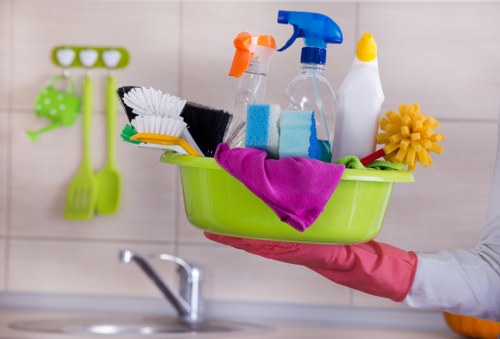
Every building is different, so a good service should be flexible rather than one-size-fits-all. In W14, communal spaces can range from compact shared entrances in converted Victorian and Edwardian houses to larger apartment blocks with lifts, service corridors, and bin rooms. A suitable cleaning schedule should reflect the building’s layout, traffic levels, and priorities. The aim is to keep the most-used spaces consistently tidy and hygienic.
Typical tasks for communal area cleaning may include:
- Cleaning entrance halls, lobbies, and reception areas
- Dusting and wiping skirting boards, ledges, and reachable surfaces
- Vacuuming carpets and runners in hallways and staircases
- Sweeping and mopping hard floors
- Cleaning bannisters, handrails, and balustrades
- Wiping communal door handles, push plates, and light switches
- Cleaning lift interiors and touchpoints where applicable
- Removing visible litter from shared spaces
- Cleaning bin storage areas and external refuse points
- Checking and clearing minor debris from entrances and pathways
Depending on the property, service plans can also include spot cleaning of walls, polishing of certain fixtures, and attention to glass panels or internal doors. Some buildings benefit from extra focus on post-wet-weather cleaning, especially where leaves, mud, and rainwater are regularly tracked in from outside. If your building has special features such as a concierge desk, shared mail area, or internal courtyard access, these can be included as well.
Shared spaces that often need the most attention
The most visible and heavily used areas tend to need more frequent care. These often include front entrances, main stairwells, lift lobbies, internal corridors, and bin collection zones. In buildings near busy roads or transport routes, entrance floors and glass areas may need extra attention because dust and grime build up quickly. In residential blocks with families, the work may need to focus more on touchpoints and floor cleanliness. In office or mixed-use buildings, the emphasis may shift towards presentation and daytime tidiness.
Why local knowledge matters in W14
There is a real advantage to working with a team that understands the local area. W14 includes different building types, street layouts, and access challenges, and these practical details matter when planning recurring cleaning. A local company is more likely to be familiar with controlled entry systems, timed access windows, resident routines, shared parking limitations, and the need to keep noise and disruption to a minimum. That is especially important in buildings where people work from home, leave early, or have varying schedules.
Local knowledge also helps with planning around traffic and loading considerations. Some communal cleaning jobs require equipment, cleaning supplies, or waste removal access in streets where stopping space is limited. In W14, that can be a real issue near busier stretches, narrow residential roads, or blocks with restricted on-site parking. A well-organised team knows how to arrive prepared, work efficiently, and avoid causing problems for residents or nearby businesses.
The neighbourhood mix is another reason local service matters. Around West Kensington, Barons Court, and areas close to Olympia, there are properties with different requirements and expectations. Some blocks are run by managing agents and need detailed reporting or reliable timekeeping. Others are smaller private buildings where residents prefer a simple, responsive service. A local provider can adapt to those needs more easily and build a schedule that feels practical rather than rigid.
Benefits of choosing a nearby cleaning team
Working with a W14-based or W14-serving team can offer several day-to-day advantages:
- Faster response to urgent cleaning needs
- Better understanding of local property layouts
- More suitable scheduling around resident access patterns
- Less disruption caused by travel delays or unfamiliar routes
- More consistent communication and service continuity
For many customers, these practical benefits matter more than anything else. A cleaning service should feel easy to manage. The building should stay tidy. Residents should notice the improvement without feeling inconvenienced. That is the standard many local clients want, and it is exactly what a good communal cleaning arrangement should provide.
Who needs communal area cleaning?
Shared-area cleaning is useful for a wide range of customers across W14. It is not limited to large apartment blocks. Smaller conversions, managed houses, mixed-use premises, and commercial buildings all have communal areas that benefit from regular attention. If several people pass through the same space each day, then that space will need cleaning.
Common customer types include:
- Residents’ associations looking to keep shared spaces in good order
- Block managers who need scheduled cleaning with minimal disruption
- Landlords and freeholders who want to maintain property standards
- Managing agents responsible for common parts and building presentation
- Commercial tenants in buildings with shared access areas
- Mixed-use property owners who need residential and business spaces cared for appropriately
In many buildings, the problem is not dramatic dirt; it is gradual decline. A corridor starts to look dusty. A staircase becomes marked by foot traffic. The entrance mat no longer looks fresh. The bin area begins to smell stale. Individually, these issues may seem minor, but together they create a poor impression. Regular communal cleaning keeps those small problems from turning into larger ones.
For some customers, the concern is also about professionalism. If your building hosts clients, tenants, guests, or visitors, the common parts influence how the property is perceived. A clean internal environment can support tenant satisfaction, reduce complaints, and create a more settled atmosphere for everyone. That is why many local customers treat communal area maintenance as an essential part of property care rather than an optional extra.
How the service works
A good communal area cleaning service should be straightforward from the start. The first step is usually to understand the building, the layout, and the routines that matter most. That can include the number of floors, the type of flooring, the level of traffic, the presence of lifts or shared bins, and any access arrangements that need to be respected. From there, a cleaning plan can be put together to suit the property.
The process often follows these stages:
- Initial discussion about the building’s needs and priorities
- Site assessment to understand access, layout, and cleaning requirements
- Service planning to agree frequency, tasks, and timing
- Regular visits carried out to the agreed standard
- Ongoing review so the schedule can be adjusted if the building changes
For many W14 properties, the best approach is regular cleaning on a weekly or more frequent basis, but the right schedule depends on use. A busy building with many residents may need attention several times a week. A quieter block may only need a recurring clean once weekly. The service should be practical and proportionate, not excessive or too limited.
What residents and managers can expect on each visit
Customers usually want consistency. That means the same important areas are checked every time, rather than different standards from one visit to the next. A reliable communal clean should leave the entrance fresh, floors presentable, touchpoints wiped, and shared areas free from obvious dust and clutter. If bin stores or other shared facilities are included, they should be treated with the same care.
Communication also matters. If there is a locked area, an access code, a timed entry window, or a particular resident instruction, it should be followed carefully. In buildings where several people share responsibility, a clean and predictable routine helps avoid confusion. The cleaner should fit the building, not disrupt it.
Simple ways to prepare before a visit
To help the service run smoothly, many buildings benefit from a few straightforward preparations:
- Ensure access instructions are up to date
- Keep shared areas clear of personal items where possible
- Move bikes, prams, or large objects away from cleaning routes
- Let residents know the general cleaning schedule
- Report any maintenance issues that could affect cleaning, such as leaks or damage
Pricing factors for communal area cleaning in W14
Without quoting exact prices, it is helpful to understand what influences the cost of communal cleaning. The more clearly you understand the variables, the easier it is to compare options and choose a service that fits the building. A fair quote should reflect the property’s actual needs, not just a generic estimate.
The main factors usually include:
- Property size - the number of floors, landings, and shared spaces
- Cleaning frequency - how often the areas need to be cleaned
- Surface types - carpet, tile, wood, vinyl, or mixed flooring
- Facilities included - lifts, bin stores, entrances, courtyards, or reception areas
- Access needs - keys, codes, timed entry, or supervised access
- Level of soiling - regular maintenance versus areas needing catch-up work
- Special requirements - after-hours cleaning, specific products, or added reporting
For local customers, the best value is usually found in a clear, realistic plan that covers the areas that matter most. If a building is being cleaned regularly, it often stays in better condition and needs less corrective work later on. That can make planned cleaning a sensible long-term choice compared with occasional deep cleans that cannot keep up with daily use.
When requesting a quote, it helps to explain the building clearly. Mention the number of flats or units, whether there is a lift, whether there is a shared bin area, and whether access is straightforward or more complex. This makes it easier to provide an accurate proposal and avoid misunderstandings later.
Why choose a professional service instead of ad hoc cleaning
Some buildings try to manage communal cleaning informally, with residents taking turns or a caretaker handling it whenever time allows. While that can work for very small properties, it often becomes inconsistent. Tasks get missed, standards vary, and no one feels fully responsible. Over time, the building starts to show it.
A professional communal cleaning arrangement gives the property a proper routine. It means the same areas are cleaned consistently, the work is carried out to a set standard, and there is less need for residents to argue about what should have been done. It can also reduce pressure on managing agents and landlords, because the service is planned rather than improvised.
In W14, where many properties have shared access and a mix of long-term residents, tenants, and temporary occupants, consistency matters. People notice when entrances are cleaner, when stairwells are free of dust, and when bin areas are handled properly. That has a direct effect on how comfortable the building feels. A well-kept communal space supports better day-to-day living.
Signs your building may need a better cleaning schedule
- Residents complain about dust, smell, or litter in shared areas
- Floors look dull or marked soon after cleaning
- Touchpoints are visibly grubby
- The bin store or refuse area becomes unpleasant
- Entrance areas make a poor first impression
- Cleaning is irregular or hard to track
If any of these sound familiar, it may be time to arrange a more reliable service. Contact us today to request a free quote and discuss a cleaning plan that suits your building.
Areas covered around W14
Communal area cleaning is available across W14 and nearby parts of West London where similar property types and building needs are found. That includes a wide variety of residential and commercial settings, from compact conversions to larger managed blocks. Nearby localities often served in practice include:
- West Kensington
- Barons Court
- Olympia
- Kensington Olympia surroundings
- Parts of Hammersmith bordering W14
- Areas close to Shepherd’s Bush and Brook Green borders
Different streets and buildings bring different cleaning priorities. Some properties need extra attention because of heavy footfall from nearby transport and events. Others are quieter but still need regular upkeep to stay presentable. A flexible local service can adapt to those patterns rather than forcing the same cleaning routine onto every building.
Commercial customers in the area may also need shared lobbies, access corridors, stairwells, and staff areas cleaned to a standard that reflects the business. Residential customers, meanwhile, may prioritise a tidy entrance, clean stair rails, and well-maintained floors. A local provider should be able to handle both with equal care.
Preparation checklist for a smooth first clean
Before a new communal cleaning service begins, a little preparation helps things go more smoothly. It means the team can get straight to work and focus on the right areas. A first clean is often the best time to set expectations clearly and establish a routine that works for everyone involved.
Here is a simple checklist that many W14 buildings find useful:
- Confirm which areas are included in the service
- Provide access details and any restrictions
- Identify preferred cleaning times
- Explain any sensitive areas or surfaces
- Let residents know what to expect
- Flag maintenance issues that may need attention before cleaning begins
It is also worth deciding how you want the service to be reviewed. For example, some buildings want regular check-ins with a managing agent, while others prefer a simpler approach. Either way, setting clear expectations from the start helps avoid misunderstandings and keeps the cleaning effective.
What makes a good first impression?
Most residents do not expect luxury treatment in shared areas, but they do expect cleanliness, order, and care. Small things such as dust-free corners, clean entry mats, fresh-smelling bin areas, and tidy stairwells make a noticeable difference. A service that focuses on these basics consistently will usually be appreciated by both residents and property managers.
Frequently asked questions
How often should communal areas be cleaned?
It depends on the building. Busy blocks with many residents or visitors may need cleaning several times a week, while smaller or quieter buildings may only need weekly visits. The right schedule depends on foot traffic, property type, and the standard expected by residents or managers.
Can you clean after residents have gone to work?
In many cases, yes. Shared access buildings often benefit from cleaning during quieter hours. Timing can usually be arranged to reduce disruption and work around access patterns, provided the building has the necessary entry arrangements in place.
What if our building has a lift and bin store?
These are common features and can normally be included in the cleaning plan. Lift interiors, touchpoints, and bin storage areas often need extra attention because they are high-use spaces. The exact tasks can be agreed in advance.
Do you work with small converted houses as well as larger blocks?
Yes. Communal cleaning is useful for a wide range of properties, including smaller conversions, terraced houses with shared entrances, apartment blocks, and larger mixed-use buildings. The service should be scaled to suit the property, not forced into a standard format.
Can the service be adjusted if the building’s needs change?
Yes. Buildings change over time, and cleaning needs can change with them. If the number of residents increases, access changes, or certain areas start needing more attention, the schedule can usually be reviewed and adjusted accordingly.
What should we look for in a cleaning provider?
Look for reliability, clear communication, a sensible cleaning plan, and experience with shared buildings. Local knowledge is also valuable, especially in W14 where access, parking, and property layouts can vary from one street to the next.
If you have other questions about Communal area Cleaning in W14, it is a good idea to raise them before the service begins. That way, the cleaning can be planned properly from the start.
Keeping your shared spaces consistently presentable
Good communal cleaning is about more than ticking off a list of tasks. It is about creating a reliable standard that residents and visitors can notice every day. In a busy area like W14, shared spaces can lose their clean look quickly if they are not maintained properly. A regular service helps prevent that decline and keeps the property feeling cared for.
For residential buildings, that means a better day-to-day environment and fewer frustrations around shared upkeep. For commercial or mixed-use properties, it means a more professional appearance and a better experience for tenants and visitors. In both cases, the benefit is the same: the building feels managed, orderly, and easier to live or work in.
If you are responsible for a property in West Kensington, Barons Court, Olympia, or the surrounding W14 area, now is a good time to review how your shared spaces are being cleaned. Request a free quote today and arrange a service that suits your building’s layout, access needs, and level of use. Book your service now and keep your communal areas looking their best.