Barnes Bridge Station quick flat cleaning for commuters
Posted on 10/08/2026
If you commute through Barnes Bridge Station, you already know the rhythm: early train, late return, a bag on one shoulder, keys in the other hand, and not much time left for anything beyond the basics. That is exactly why Barnes Bridge Station quick flat cleaning for commuters matters. It is not about pretending your home is spotless all the time. It is about making a small flat feel calm, tidy, and usable even when your week is basically running on rail timetables and coffee.
For busy people in Barnes and nearby W14 pockets, a short, well-planned clean can make the difference between coming home to clutter and coming home to a place that helps you switch off. In this guide, we will look at what quick flat cleaning actually means, how it works in real life, where people go wrong, and how to make the whole thing genuinely manageable. If you are also thinking more broadly about living well in the area, you may find the perspective in this Barnes living overview useful alongside the practical advice here.
Let's be honest, commuting can chew up the best part of a day. A flat that stays under control does not happen by magic. It happens through smart routines, realistic standards, and a bit of local know-how. Nothing flashy. Just useful.
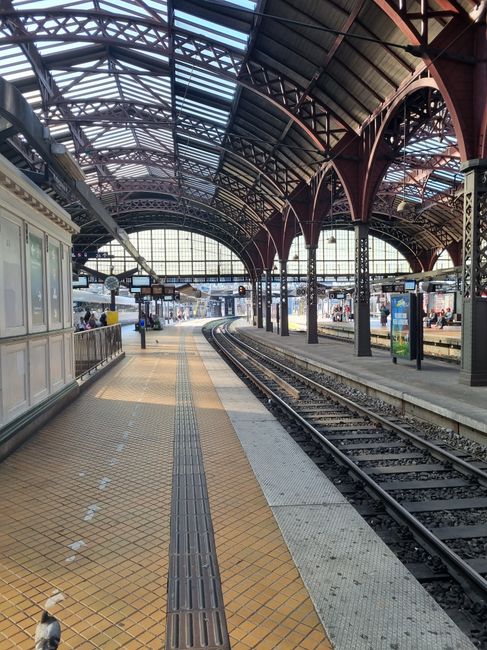
Why Barnes Bridge Station quick flat cleaning for commuters Matters
The short version? Because commuter life compresses everything. A ten-minute delay on the train can undo your best intentions, and a tired evening can turn a "I'll clean later" decision into three more days of living with the mess. Quick flat cleaning gives you a structure that fits the way commuters actually live, not the way idealised productivity posts say they should live.
In Barnes, the pressure point is usually time, not effort. People are often perfectly willing to clean; they just do not have a spare hour every day. So the goal becomes simple: keep high-use areas presentable, reduce visual clutter, and stop small jobs from becoming weekend eaters. That's the whole game, really.
Quick flat cleaning also matters because a tidy home affects the start and end of your day. A cleared kitchen counter at 7:15 a.m. feels different from a sink full of last night's pans. Likewise, walking into a reasonably fresh flat after a commute is a lot kinder to your brain than facing dust, laundry, and a hallway that looks like a dropped coat rack exploded.
For renters, owners, and short-let hosts in the wider area, there is another layer too: presentation. A well-kept flat is easier to show, easier to live in, and easier to hand over when the time comes. If that is part of your picture, these Barnes real estate strategies and the local property listings update may give you a better sense of how upkeep and presentation fit into the local market mindset.
Expert summary: For commuters, quick flat cleaning works best when it is treated as a repeatable system, not a heroic catch-up job. Protect the sink, floors, bathroom, and visible surfaces first. Everything else is secondary.
How Barnes Bridge Station quick flat cleaning for commuters Works
Quick cleaning is not the same as deep cleaning. That distinction matters more than most people realise. Deep cleaning is thorough and slower. Quick flat cleaning is tactical. It focuses on the spaces you use constantly and the surfaces that make the biggest visual and hygiene difference.
In a commuter setup, the workflow usually follows a simple order: clear, wipe, sweep, reset. That sounds almost too basic, but basic is good when your evening energy is low. The point is not to scrub every skirting board. The point is to make the flat feel orderly in a short window, often 20 to 45 minutes, depending on the size of the space and how much has built up.
Here is how the process typically works in practice:
- Remove obvious clutter first. Mail, shoes, takeaway bags, and jackets usually make the biggest difference when moved away quickly.
- Reset the kitchen. Dishes into the dishwasher or sink, counters wiped, hob checked, bin dealt with.
- Freshen the bathroom. Sink, taps, mirror, and toilet touchpoints are prioritised.
- Deal with floors. A fast vacuum or sweep catches crumbs, grit, and train-day debris from entryways.
- Set the next day up. Put out clothes, prep a bag, empty the pocket clutter, and leave the place easier to re-enter.
The best version of this approach is almost boring. And that is a compliment. Boring is repeatable. Repeatable saves time.
Many commuters also build in a slightly longer reset once or twice a week. That may include changing bed linen, wiping under furniture edges, or tackling the dust that settles on shelves and lamps. If your routine includes soft furnishings or curtains that trap odour and dust, you may also find this guide to velvet curtain care handy, especially if you want the flat to feel fresher without replacing everything.
Key Benefits and Practical Advantages
There are some obvious benefits, but the best ones are usually the quiet ones you notice after a few weeks.
- Less decision fatigue. A simple routine means you stop wondering where to start.
- Faster mornings. Clean counters and organised entryways make the rush out the door smoother.
- Better evenings. You arrive to a home that feels settled, not demanding.
- Lower risk of build-up. Small spills, dust, and grime are dealt with before they turn stubborn.
- Better guest readiness. If a friend drops by after work, you are not in panic mode.
- More usable space. In a smaller flat, tidiness is not cosmetic; it changes how the room functions.
There is also a practical money angle. When a flat is kept in a steady state, you are less likely to need emergency help after an accidental mess or a last-minute event. That is why some people pair their own upkeep with periodic support from services such as domestic cleaning in W14 or house cleaning in W14 when life gets particularly packed. Not because they cannot clean, but because timing matters.
And yes, a tidy flat does help with mood. That sounds a bit obvious, but to be fair, obvious things are often obvious because they are true. A clean surface catches the light differently at 6 p.m. when the sky is going soft outside and the kettle is on. Small thing. Big effect.
Who This Is For and When It Makes Sense
This kind of cleaning system is ideal for people who travel in and out of Barnes Bridge Station on a regular basis and have limited time at home. That includes office workers, hybrid workers, shift workers, contractors, and anyone whose diary is a bit of a jigsaw puzzle.
It is especially useful if you:
- live in a compact flat where mess shows quickly
- share space with one or more housemates
- host friends or family occasionally
- work long hours and do not want weekends swallowed by chores
- are between property changes and need things to stay presentable
- prefer smaller, frequent cleans to one large, exhausting session
It also makes sense when you are trying to keep on top of a flat while preparing for a move or tenancy handover. If that is part of your situation, the local article on Barnes Village end of tenancy cleaning services may be worth a look. The needs are different, of course, but the same logic applies: a place that is maintained regularly is easier to sort out later.
When does quick cleaning not make sense? If the flat has accumulated serious grime, mould, stubborn carpet staining, or neglected upholstery, a speed clean will only skim the surface. You need a reset first, then a routine. No point pretending otherwise.
Step-by-Step Guidance
If you want this to actually work, keep the system simple enough to survive a bad day. Here is a realistic commuter-friendly method.
1. Start with the arrival zone
Your entry area is where the day lands. Shoes, bags, coats, charging cables, all of it tends to pile up there. Spend the first minute putting things back where they belong. This one habit changes how the whole flat feels.
2. Clear the kitchen surfaces
Wipe the counters, remove cups and packaging, and deal with the sink. If you only have energy for one room, make it the kitchen. Food spaces get messy faster than any other area, and they also affect how clean the whole flat feels.
3. Freshen the bathroom touchpoints
Use a cloth on taps, basin edges, and the mirror. A quick toilet clean and a bin check make a surprising difference. No need to turn it into a spa ritual. Just enough so you do not grimace when you walk in there at 6 a.m.
4. Vacuum or sweep the high-traffic areas
Focus on hallways, the kitchen, and the route from the door to the sofa or bed. That's where grit from the day collects. On rainy days, it becomes even more noticeable. London weather does enjoy making a point, doesn't it?
5. Reset the living area
Fold throws, straighten cushions, clear tables, and remove cups or papers. This is the stage where the flat starts looking like a home again rather than a temporary holding space between trains.
6. Prepare for tomorrow
Lay out anything practical for the next morning: keys, work pass, lunch items, a bag, clean shirt, charger. The cleaner the decision trail, the easier your morning will be.
This workflow can be completed in a short window if you keep supplies handy and avoid perfectionism. You are building momentum, not auditioning for a showroom.
Expert Tips for Better Results
After enough time around busy homes, the same patterns keep showing up. The people who stay on top of things are rarely the ones with more time. They are the ones with less friction.
- Keep one cleaning caddy ready. If supplies live in three cupboards, you will lose five minutes every time before you begin.
- Use the "last touch" rule. If you use it, wipe it, close it, or return it before you leave the room.
- Clean while waiting for something else. Kettle boiling? Wipe the counter. Laundry spinning? Tidy the hallway.
- Work top-down in small spaces. Dust falls downward, so start with higher surfaces before floors.
- Do not chase every mark. One visible win is better than ten half-finished jobs.
- Protect your sleep. A ten-minute reset before bed often beats trying to clean after a long commute when your brain has packed up already.
If you want a more strategic feel for the area, it can also help to understand Barnes as a place where people value calm, understated living. The local perspective in this Barnes unwinding article gives that tone well, and it aligns closely with the kind of domestic routine that actually works here.
One more practical note: if your flat has carpets that trap dust and track-in dirt from station commutes, it may be worth keeping an eye on professional support from carpet cleaning in W14 or even local carpet cleaners for Barnes homes when surface cleaning stops being enough. That is not overkill. It is just knowing the difference between maintenance and repair.

Common Mistakes to Avoid
A lot of commuter cleaning frustration comes from trying to do too much at once. That is the first trap. The second is waiting until the flat feels unbearable. By then, the job grows teeth.
- Trying to deep clean every time. Quick cleaning needs limits, otherwise it turns into a postponed weekend chore.
- Leaving supplies out of reach. If the vacuum takes five minutes to retrieve, you will stop using it properly.
- Cleaning in the wrong order. Floors before surfaces usually means redoing work.
- Ignoring the kitchen sink. It is a small detail that affects the whole sense of cleanliness.
- Using too many products. More does not equal better. Sometimes it just means sticky residue and extra clutter.
- Forgetting laundry and textiles. A clean room can still feel stale if fabrics are overdue a wash.
There is also the emotional mistake: treating your home like a failure when it slips. It is just life. Busy weeks happen. You miss a day, maybe two. Fine. Reset and move on.
Tools, Resources and Recommendations
The best tools are usually not fancy. They are reliable, easy to grab, and annoying enough to remember, in a good way.
| Tool or Approach | Best For | Why It Helps |
|---|---|---|
| Microfibre cloths | Kitchen and bathroom wipes | Quick dust and smudge removal without much effort |
| Compact vacuum | Small flats and daily debris | Easier to use when time is tight |
| Spray cleaner | Countertops and hard surfaces | Fast coverage for visible marks and sticky spots |
| Storage basket | Entry clutter | Keeps keys, gloves, receipts, and bits contained |
| Timer or phone alarm | Task pacing | Stops a short clean from drifting into an hour-long project |
For people who prefer having support rather than doing everything solo, service information and expectations can be easier to judge after reading the services overview and the pricing and quotes page. Those pages can help you compare your own routine with what professional cleaning tends to cover, which is useful if you are deciding where to spend your time and where to outsource.
Useful resources inside the home are less about tech and more about layout. Keep things where you use them. Store cloths near the kitchen, bathroom spray under the sink, and vacuum parts where they are not going to disappear into the Bermuda Triangle of the utility cupboard.
Law, Compliance, Standards, or Best Practice
For most commuters, quick flat cleaning is a practical household matter rather than a regulated activity. Still, there are some UK best-practice considerations worth keeping in mind, especially if you hire help or manage shared accommodation.
First, any cleaner working in a home should follow sensible safety practices. That includes careful product handling, avoiding slip hazards, and using equipment properly. If you ever bring in external support, it is reasonable to ask about insurance and safety arrangements. A trustworthy provider should be able to explain how they manage risk in plain English, not bury it in jargon.
Second, if you live in a rental property, remember that regular cleaning does not replace your obligations under a tenancy agreement. It just makes compliance easier to maintain. That is especially true for mould prevention, ventilation, and keeping kitchens and bathrooms in a reasonable state. No one wants a small issue turning into a bigger one because the extractor fan was ignored for months.
Third, if you are using products at home, basic safety matters. Store chemicals away from children and pets, do not mix products casually, and let surfaces dry properly before use. Common sense? Yes. But common sense is often the first thing rushed commuters lose on a Wednesday night.
On the trust side, if you are comparing help from a domestic provider or a specialist service, it is sensible to look for clear policies, secure payment handling, and transparent complaints processes. Those details are not glamorous, but they tell you a lot about how a company operates. You can review these sorts of pages directly through insurance and safety, payment and security, and the complaints procedure.
Options, Methods, or Comparison Table
Different commuters need different levels of support. A useful way to think about it is by comparing how much time, effort, and consistency each approach demands.
| Approach | Best For | Pros | Limits |
|---|---|---|---|
| Self-managed quick clean | People with a predictable routine | Low cost, flexible, fast once habit forms | Depends on energy and self-discipline |
| Weekly reset plus daily touch-ups | Busy professionals with moderate mess | Keeps things under control without feeling heavy | Needs a bit of planning |
| Periodic professional support | Homes that need a stronger refresh | Useful for deeper jobs and time savings | Costs more than DIY and still requires maintenance |
| Full housekeeping routine | Households with more people or more clutter | Very thorough, more stable standard | Can feel time-consuming if the property is small |
If your flat is small and your commute is long, the second option is often the sweet spot. It is practical without becoming a second job. If your carpets, upholstery, or curtains are making the whole place feel dull no matter how often you wipe down surfaces, then a broader approach may be smarter. That could mean bringing in support through upholstery cleaning in W14 or looking at curtain care guidance for the softer parts of the flat.
Case Study or Real-World Example
Picture a commuter living a one-bedroom flat near Barnes Bridge Station. The week is a mix of office days, a late meeting or two, and the odd evening train where everyone on the platform looks equally ready to disappear into silence. Nothing dramatic. Just normal London fatigue.
By Thursday, the flat has gathered the usual stuff: one chair with clothes on it, a kitchen counter with post-work bits, bathroom water marks, and a hallway where shoes have started to multiply like they pay rent. On Friday evening, instead of trying to do everything, the resident sets a timer for 25 minutes.
First pass: the entryway and kitchen. Shoes away, bin emptied, counters wiped, dishes sorted. Second pass: bathroom sink and mirror. Third pass: quick vacuum in the main route through the flat. Last pass: bedroom reset, with clothes folded and charging cables gathered. The result is not perfect, and that is exactly the point. It is noticeably better, easier to live in, and not mentally draining.
After two or three weeks of this, the flat no longer swings between spotless and chaotic. It just stays decent. That steady middle ground is what most commuters actually want, even if they do not say it out loud. You know the feeling when you walk in, set your bag down, and think, ah, that's better? That feeling is the goal.
Practical Checklist
Use this as a quick commuter-friendly reset before you leave or when you get back home.
- Clear shoes, bags, coats, and post from the entry area
- Wipe kitchen counters and put dishes in order
- Clean the sink and visible bathroom touchpoints
- Sweep or vacuum the main walking paths
- Put away laundry, work gear, and loose items
- Empty bins or check they are ready for collection
- Refresh bedding or cushions if the room feels tired
- Open a window briefly if the weather and security allow
- Set out tomorrow's essentials before bed
- Keep one cloth and one spray cleaner in easy reach
This is a good place to be practical rather than heroic. If you can do six of these things on a busy day, that is still progress. Honestly, sometimes that is all the day gives you.
Conclusion
Barnes Bridge Station quick flat cleaning for commuters is really about making home life fit around commuting life, not the other way around. It gives you a realistic way to keep your flat calm, functional, and decent-looking without sacrificing your whole evening to chores. The main trick is to keep it simple, repeatable, and honest about what "quick" actually means.
Start small. Protect the entryway, kitchen, bathroom, and floors. Build habits that survive tired days. And when the job is bigger than a quick reset, bring in extra support rather than trying to brute-force it after a long week. That is not giving up. That is just sensible living in London.
If you want to compare cleaning options, check what support is available, and make a decision that suits your routine rather than fighting against it, you are already on the right track.
Get a free quote today and see how much you can save.
Small routines can make a surprising difference. Especially on a Tuesday evening when the train was late and the sky has gone pale over Barnes.